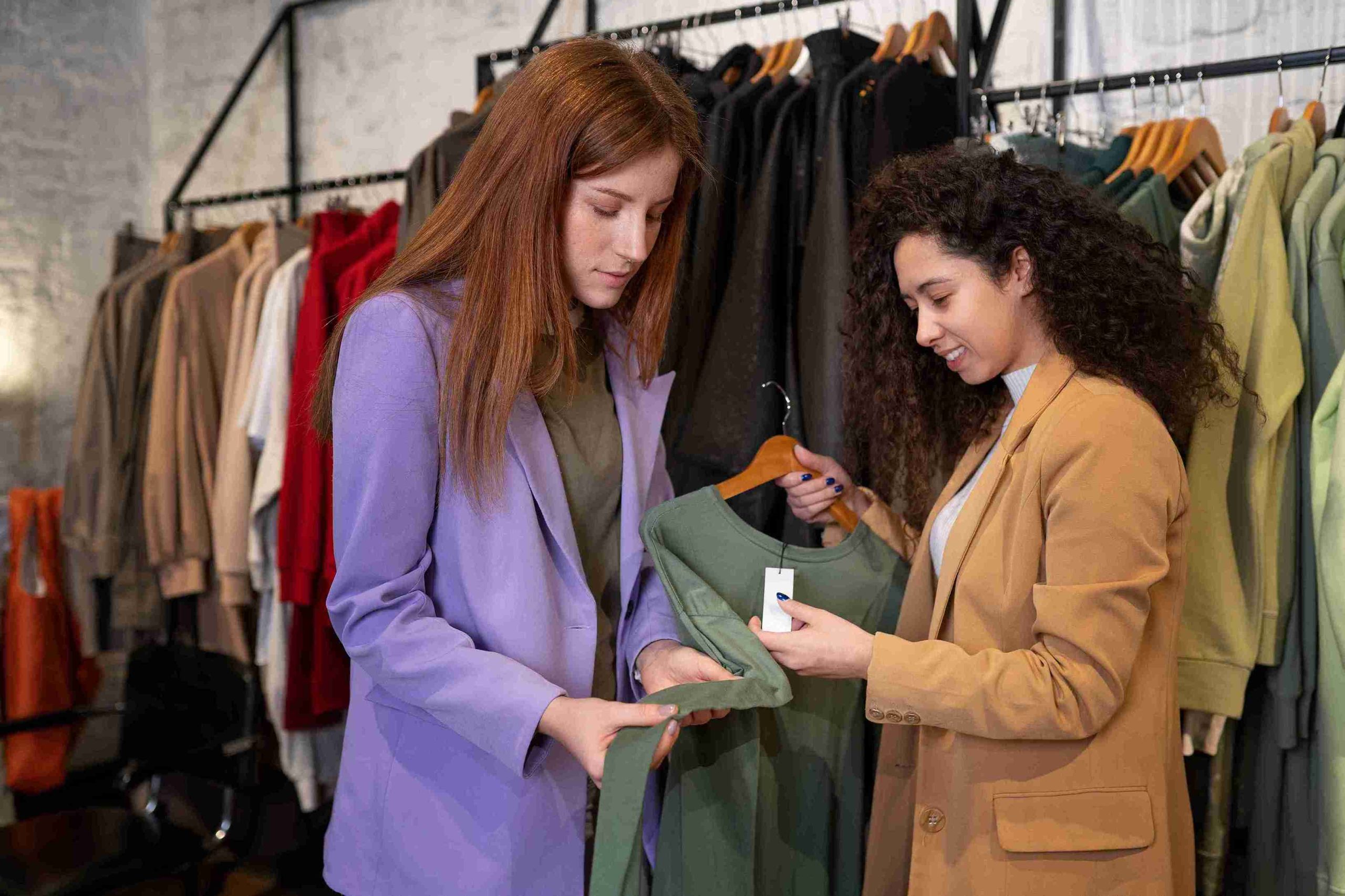
B2B markets now value creativity, safety, durability, and strong customer experience design. A children’s indoor playground planning firm and a professional denim jeans custom supplier operate in different industries but share similar innovation challenges. Both sectors rely on material strength, user comfort, problem solving, and fast customization. When these industries exchange ideas, new methods emerge. Cross-industry learning encourages stronger product design, safer structures, and more efficient production strategies.
This article explains how cooperation between these two sectors can influence materials, workflows, and customer-focused solutions. Without any further delay, let’s begin with our article!
How Can Safety Standards From Indoor Playgrounds Influence Denim Manufacturing?
A children’s indoor playground planning firm focuses heavily on safety. Every structure must meet strict testing requirements. Designers select materials based on strength, flexibility, and low-risk performance. They analyze how children move, climb, slide, and jump. This research helps identify stress points in products. Safety rules guide structural placement and shape design. These firms evaluate coatings, fabrics, and impact-resistant materials to protect young users. Their experience with certified components supports high-quality project planning.
A professional denim jeans custom supplier can learn from these detailed safety practices. Denim clothes must handle stretching, bending, and daily wear. Strong seams reduce tearing during sports or heavy movement. Childrenswear requires even greater durability because young users place high pressure on fabric. Denim suppliers can adopt testing ideas used in playground material inspection. They can evaluate abrasion resistance and movement comfort with stricter standards. Stress simulation tools used in playground safety checks can help manufacturers design stronger jeans. These insights improve confidence for retailers and consumers. This cross-industry exchange strengthens quality control and reduces product failure risks.
How Does Material Innovation Benefit Both Play Designers and Denim Suppliers?
Material innovation shapes both industries. A children’s indoor playground planning firm works with advanced coatings, reinforced plastics, flexible foams, and strong metals. Designers want materials that resist wear and offer long service life. They must also consider color stability, moisture resistance, and easy maintenance. Many playgrounds use anti-scratch layers and textile surfaces that maintain appearance despite heavy traffic. These materials support long-term performance in busy commercial locations.
A professional denim jeans custom supplier also invests heavily in fabric innovation. Denim manufacturers now create blends that support improved breathability, stretch, and shape retention. Modern denim provides stronger flexibility for active lifestyles. When cross-industry discussions occur, suppliers gain new ideas for fabric finishing. Anti-scratch coatings used in playground panels can inspire high-resistance denim treatment. Moisture-resistant films used in activity zones may support new denim finishes that resist stains.
Playground firms can also learn from denim suppliers. Denim producers have strong expertise in dye techniques. They create deep tones and long-lasting colors with stable processes. These ideas can strengthen color treatment in play structures. Better dye bonding helps decorative elements last longer. Layered dye methods used in denim washing could inspire new texture styles in indoor playground designs. This exchange creates improved material solutions for both sectors.
What Production and Customization Lessons Can Both Industries Share?
A professional denim jeans custom supplier handles high-volume customization demands. Custom labels, embroidery, color variations, and special washes must be delivered quickly. Production lines must stay flexible and efficient. Denim companies use modular systems and digital pattern tools to shorten development cycles. Their fast-turn customization helps retailers meet seasonal trends.
A children’s indoor playground planning firm also relies on customization. Every project must match space size, theme preferences, and safety rules. Designers create floor plans, climbing structures, slides, and bridges with unique shapes. Custom printing supports branded features. Digital design platforms and modular components help firms respond quickly. When both industries share insights, they improve workflow speed.
Playground designers can learn from denim suppliers’ integrated supply chains. These supply chains combine fabric sourcing, pattern cutting, testing, and packing. Strong coordination reduces production delays. Playground firms can adopt similar process mapping for structure manufacturing and thematic printing.
Denim suppliers can learn from playground firms’ thematic storytelling. Indoor playgrounds rely on strong visual themes. These ideas can inspire denim collections with clearer story-driven concepts. When industries combine customization strategies, they improve customer satisfaction and product identity.
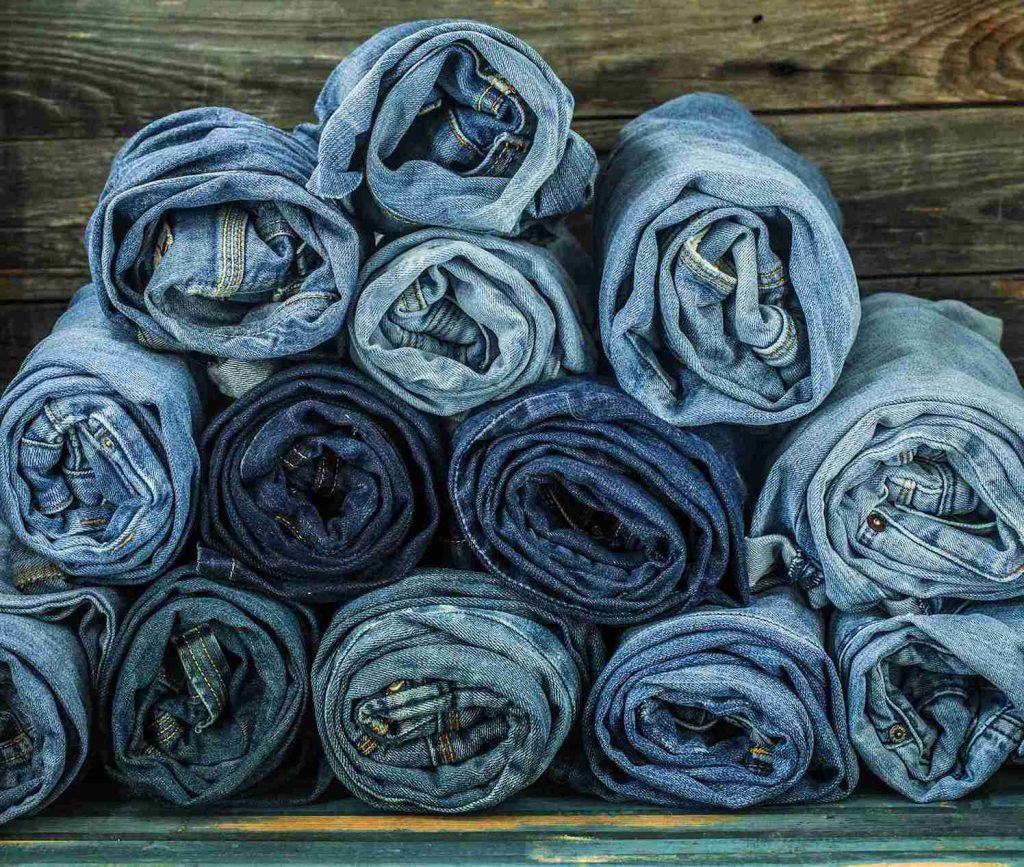
How Can User Experience Research Connect Both Industries?
User experience drives both sectors. A children’s indoor playground planning firm studies how children behave in play zones. They track movement frequency, interaction patterns, and preferred shapes. These insights guide structure layout and material thickness. User experience research helps reduce congestion and increase safety. Detailed mapping also creates enjoyable and interactive play journeys.
A professional denim jeans custom supplier studies body movement and comfort requirements. They evaluate how jeans fit during walking, bending, and exercise. Feedback research identifies discomfort zones. Manufacturers then adjust seam placement and stretch materials. This supports better daily mobility.
Cross-industry cooperation creates stronger user analysis. Playground designers can share insights about movement patterns and joint pressure from children’s behavior studies. These insights inspire better fitting jeans for kids and teenagers. Denim manufacturers can share comfort research with playground firms. This helps designers refine seating mats, climbing grips, and soft zones for improved ergonomics.
Both industries also study emotional response. Children enjoy bright colors and interactive designs. Denim brands explore color influence on mood and identity. Shared insights improve visual design and customer engagement. User experience becomes stronger across both sectors.
How Can Sustainability Strategies Support Cross-Industry Innovation?
Sustainability now guides business decisions. A children’s indoor playground planning firm focuses on recyclable materials, low-odor coatings, and energy-efficient structures. They design long-lasting components that reduce replacement needs. These choices reduce environmental impact during manufacturing and installation. Playgrounds often require large materials, so waste reduction becomes essential.
A professional denim jeans custom supplier faces similar challenges. The denim industry deals with dye waste, water use, and fabric offcuts. Sustainability efforts include low-water washing, recycled fibers, and natural dye sources. Many suppliers now adopt closed-loop processes. These processes improve material recovery and reduce pollution.
When both industries exchange ideas, they develop stronger eco-friendly methods. Playground firms can explore recycled denim use in soft pads or seating areas. Denim companies can adopt waste-management systems used in large structure manufacturing. Cross-industry training programs can teach teams about life-cycle planning. These efforts support better environmental stewardship and strengthen brand credibility.
Conclusion:
Cross-industry collaboration strengthens creativity, safety, and material performance. A children’s indoor playground planning firm and a professional denim jeans custom supplier gain fresh perspectives through shared research. Material innovation, user experience analysis, and sustainability strategies benefit both sectors. Their cooperation supports stronger customization, better durability, and more engaging products. These industries prove that innovation grows faster when companies learn from different fields.