Fitness culture continues to evolve as people seek efficient routines and outdoor freedom. Cycling remains one of the most accessible activities for daily exercise. The rise of smart accessories, especially the mobile bike holder, has changed how cyclists ride and interact with digital tools. At the same time, fitness apparel is becoming more technical, responsive, and performance driven. Athletes want clothing that protects the body, supports movement, and aligns with modern riding habits.
These trends influence each other in important ways. Cyclists now expect gear that integrates seamlessly with digital navigation, heart rate tracking, and everyday comfort. Clothing must match the demands of active lifestyles and support both short rides and long outdoor routes.
In this article, we explore how cycling accessories shape what people wear, how new materials improve performance, and why coordinated gear creates a more efficient workout experience. This connection defines the future of fitness wardrobes.
How Does a Mobile Bike Holder Change the Way Cyclists Ride?
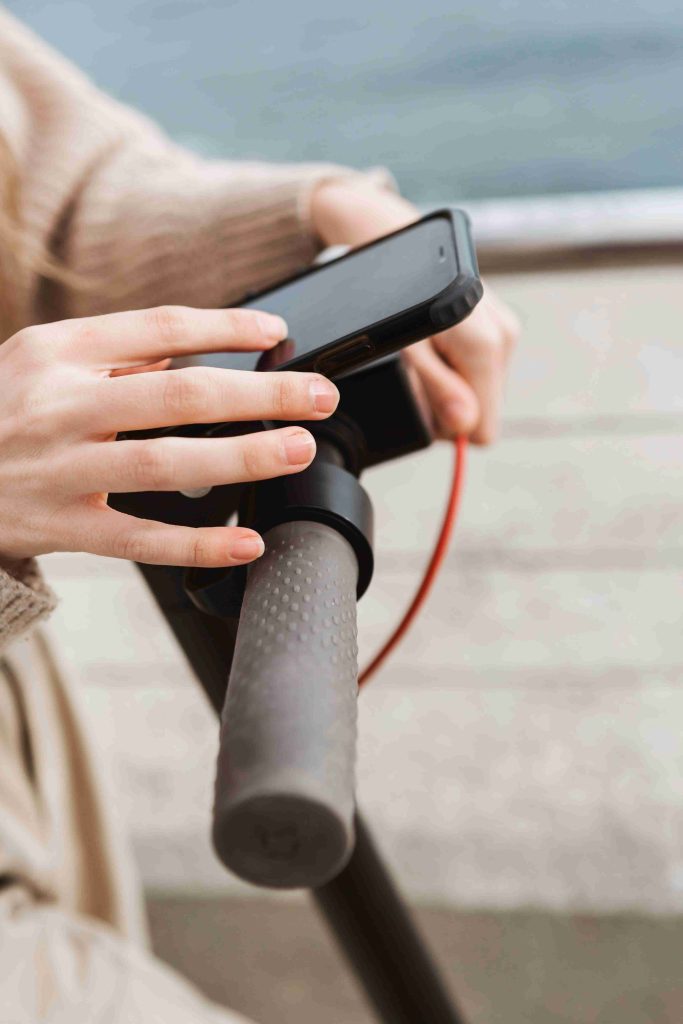
The mobile bike holder has become an essential tool for modern riders. It allows cyclists to attach their phones to the handlebars for clear visibility. This supports navigation, music control, and fitness tracking. The accessory reduces distractions and increases safety. Riders can view maps without holding the phone. They can monitor speed, distance, and elevation during long routes.
The mobile bike holder also encourages data driven training. Cyclists can follow interval programs or check their real time heart rate. Many fitness apps use GPS to track performance during outdoor rides. With the phone firmly secured, these features work with higher accuracy.
This accessory influences what cyclists wear. Riders look for fitness apparel that supports extended riding. Clothing must manage sweat, reduce friction, and allow free movement. The bike holder promotes longer routes, which increases the need for technical apparel that supports endurance. This synergy shapes modern fitness habits.
Why Does Fitness Apparel Need Technical Innovation for Cycling?
Cycling places unique demands on the body. Riders maintain forward leaning positions, constant leg rotation, and repeated pressure points. Fitness apparel must adapt to these movements. Modern fabrics include moisture wicking technologies that keep the body dry. Breathable fibers increase airflow during long outdoor rides. Seamless stitching reduces skin irritation.
Compression zones support muscle stability during high speed cycling. These features reduce fatigue and help cyclists maintain steady motion. Reflective materials also play a major role. They make riders visible during early morning or evening workouts. Fitness apparel evolves with the needs of people who integrate technology like the mobile bike holder into their routine.
As cyclists rely more on digital apps, they spend more time tracking performance. This motivates them to invest in durable, supportive clothing. Technical apparel increases comfort and prevents overheating. This encourages consistent workouts, especially in outdoor environments.
How Do Cycling Accessories Influence Apparel Choices?
Cycling accessories like the mobile bike holder shape behavior. Riders follow digital routes, track daily goals, and monitor effort levels. These habits encourage longer rides. Cyclists then choose apparel that reduces discomfort during extended workouts. Shorts with padded inserts help manage pressure from the saddle. Breathable tops keep sweat under control.
Cyclists who rely on mobile apps face more temperature changes. They often ride in early mornings or late evenings to meet daily goals. They choose fitness apparel with thermal control or lightweight layers. Wind resistant jackets help during rapid speed changes.
The mobile bike holder also promotes multitasking. Riders use their phones for video coaching, performance analysis, or group sessions. Clothing must allow flexible arm and shoulder movement for steady control. This harmony between accessories and apparel shapes a unified fitness approach.
What Trends Connect Fitness Apparel and Mobile Cycling Tools?
Modern fitness routines combine outdoor mobility and digital analytics. The mobile bike holder represents this shift. It brings technology directly into cycling. Fitness apparel supports this shift by focusing on advanced materials.
One major trend is personalization. Riders choose accessories and apparel that match their training goals. Weather adaptive clothing pairs well with bike holders that support long routes. Another trend is lightweight design. Cyclists want minimal weight on both the body and bike.
Sustainability also influences purchasing decisions. Many fitness apparel brands use recycled fabrics. Some mobile bike holders are made from durable, recyclable materials. Riders want performance without environmental impact.
Together, these trends encourage the growth of coordinated fitness systems. Cyclists expect gear that works together to improve every ride.
How Does Technology Strengthen the Connection Between Apparel and Cycling Gear?
Digital innovation supports both fitness apparel and cycling accessories. Many clothing brands now use research driven fabrics. These textiles regulate temperature and adapt to different riding intensities. Some feature antibacterial treatments that reduce odors during long workouts.
The mobile bike holder works alongside wearable technology. Cyclists connect heart rate monitors and smartwatches to their phones. This creates a complete digital ecosystem. When riders track more data, they pay more attention to comfort and support. They choose apparel that fits well, improves mobility, and enhances performance.
Technology also supports injury prevention. Cyclists monitor posture, cadence, and power output through mobile apps. Fitness apparel then supports correct form through targeted compression zones. Digital tools shape performance. Clothing aligns with these insights to help cyclists improve over time.
How Do Comfort and Safety Affect Apparel Decisions?
Comfort is essential in cycling. Riders avoid clothing that traps heat or restricts movement. Fitness apparel uses ventilation panels to improve airflow. Cyclists feel more comfortable during long routes.
Safety is equally important. Reflective stripes and high visibility colors help cyclists stay visible in low light. This pairs well with mobile navigation. Riders often follow routes in unfamiliar areas. They need to be visible to traffic and other cyclists.
Protective gloves, padded shorts, and moisture control tops reduce fatigue. Cyclists feel more confident when gear provides support. This leads to more consistent routines. The connection between safety and comfort influences fitness apparel design.
Conclusion:
Cycling culture now blends technology, performance, and personal comfort. The mobile bike holder allows riders to stay connected, track progress, and navigate safely. It encourages longer routes and supports data driven training. Fitness apparel evolves alongside this shift. Modern fabrics enhance mobility, regulate temperature, and support muscle stability.
Together, these products create a complete fitness experience. Cycling becomes more controlled, informed, and rewarding. Apparel supports the physical demands of riding. The mobile bike holder supports the digital demands of modern workouts.