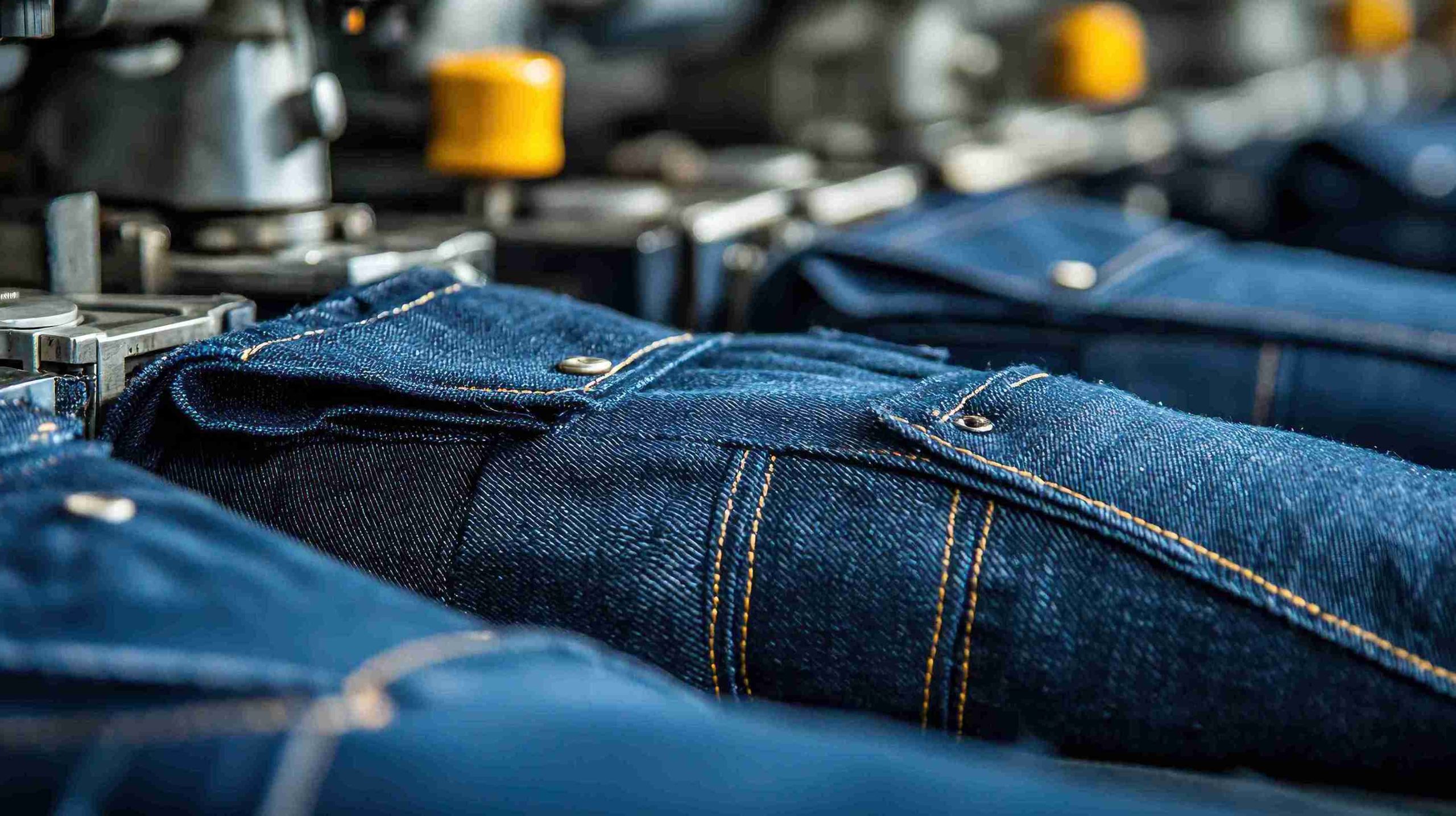
Selecting the right supplier is critical for fashion brands. Private label denim jeans suppliers and leather crossbody bags manufacturers determine quality, production speed, and brand reputation. Reliable suppliers ensure consistent materials, timely delivery, and ethical manufacturing practices. Choosing the wrong partner can lead to delays, quality issues, or reputational risks. Fashion businesses must evaluate suppliers based on quality standards, production capabilities, material sourcing, pricing, and customer service.
In this article, we will explore the essential factors brands should consider when selecting suppliers for denim jeans, leather bags, and other fashion products. Without any further delay, let’s begin with our article!
How Important Is Product Quality When Choosing a Supplier?
Quality is the foundation of brand reputation. Private label denim jeans suppliers must provide durable fabrics, precise stitching, and consistent sizing. Leather crossbody bags require high-quality leather, strong hardware, and flawless craftsmanship. Suppliers should follow strict quality control processes and inspections. Sample production before bulk orders helps verify standards. Consistent quality minimizes returns, customer complaints, and rework costs.
Brands should also assess the supplier’s ability to maintain quality at scale. High-quality products enhance customer loyalty, justify premium pricing, and differentiate brands in a competitive fashion market.
Why Should Brands Evaluate Production Capacity and Lead Time?
Production capacity determines whether a supplier can meet seasonal demand or large orders. Private label denim jeans suppliers must manage multiple SKUs without delays. Leather crossbody bag manufacturers should maintain consistent output for various designs and collections. Lead time affects inventory planning, marketing launches, and sales cycles. Brands should assess supplier workflows, machinery, and staffing to ensure timely delivery.
Reliable suppliers offer flexible scheduling to accommodate rush orders or adjustments. Efficient production and short lead times reduce stockouts and overstock situations, supporting smoother operations and better customer satisfaction.
How Does Material Sourcing Affect Supplier Selection?
Material quality directly impacts product performance and longevity. Private label denim jeans suppliers should source premium cotton and sustainable fabrics. Leather crossbody bags require ethically sourced, high-grade leather. Suppliers using certified materials demonstrate accountability and adherence to environmental standards. Transparent sourcing helps brands verify authenticity and prevent reputational risks.
Some suppliers offer traceability for fabrics, dyes, and leather, ensuring compliance with regulations. Choosing suppliers with strong sourcing practices supports sustainable production, enhances product value, and meets growing consumer expectations for ethical fashion.
What Role Does Pricing Play in Supplier Decisions?
Competitive pricing is essential but should align with quality. Private label denim jeans suppliers may offer tiered pricing based on order volume or material grade. Leather crossbody bag manufacturers often factor in leather quality, hardware, and customization options. Brands should compare pricing across multiple suppliers while considering long-term costs, including shipping, duties, and quality assurance.
Extremely low prices may indicate compromised materials or substandard production. A balanced approach ensures cost-effectiveness without sacrificing quality, helping brands maintain margins and deliver premium products to customers.
Why Is Customization Capability a Key Consideration?
Fashion brands often require custom designs, branding, or private labels. Private label denim jeans suppliers should accommodate logo embroidery, washes, or unique fits. Leather crossbody bag manufacturers must support embossed logos, hardware selection, and color options. Suppliers with strong customization capabilities enable differentiation and brand identity.
They should provide design consultation, prototyping, and flexible production runs. Brands benefit from creative collaboration and faster go-to-market timelines. Customization enhances product appeal, supports seasonal trends, and ensures alignment with the brand’s vision and target audience.
How Do Communication and Customer Service Affect Supplier Relationships?
Clear communication ensures orders are accurately executed. Private label denim jeans suppliers should provide regular updates on production, material availability, and shipping. Leather crossbody bag manufacturers must respond promptly to queries or design changes. Suppliers offering dedicated account managers simplify coordination and problem-solving.
Transparent communication reduces misunderstandings, minimizes delays, and strengthens trust. Brands should also assess the supplier’s responsiveness during peak seasons. Efficient communication builds long-term partnerships, allowing brands to focus on marketing, sales, and product development rather than operational issues.
What Role Does Compliance and Ethical Manufacturing Play?
Compliance with labor, environmental, and safety standards is critical. Private label denim jeans suppliers should ensure fair wages, safe working conditions, and adherence to local laws. Leather crossbody bag manufacturers must avoid unethical sourcing or production practices. Certifications such as ISO, OEKO-TEX, or leather authenticity labels demonstrate supplier accountability.
Ethical practices protect brand reputation, appeal to conscious consumers, and reduce legal risks. Brands should audit suppliers regularly to verify compliance. Choosing ethical suppliers reinforces social responsibility while maintaining consistent product quality and market trust.
How Can Technology and Innovation Improve Supplier Selection?
Modern suppliers leverage technology for efficiency and quality control. Private label denim jeans suppliers may use automated cutting, digital patterning, or washing simulations. Leather crossbody bag manufacturers employ laser cutting, stitching automation, and inventory tracking. These technologies reduce errors, speed up production, and enable accurate cost forecasting. Suppliers with advanced tools can provide faster prototyping and adapt to trend changes.
Brands benefit from technology integration through better product consistency, reduced waste, and improved supply chain transparency. Innovation-driven suppliers also support scalability and long-term growth for fashion businesses.
Why Should Brands Consider Location and Logistics?
Supplier location affects shipping costs, lead times, and supply chain reliability. Private label denim jeans suppliers near ports or textile hubs reduce transit delays. Leather crossbody bag manufacturers in strategic regions may offer faster delivery for regional markets. Proximity also facilitates factory visits, quality inspections, and collaboration. Brands should assess logistics capabilities, including packaging, warehousing, and international shipping compliance.
Efficient logistics ensure timely product availability, reduce operational costs, and improve customer satisfaction. Location-aware supplier selection supports smooth supply chain management and faster market response.
Conclusion:
Selecting the right supplier for fashion products requires evaluating quality, production capacity, and material sourcing. Private label denim jeans suppliers and leather crossbody bag manufacturers should provide customization, ethical manufacturing, and reliable communication. Pricing, technology adoption, and logistics also influence supplier performance. Brands that choose suppliers carefully ensure timely delivery, consistent quality, and strong market reputation.
By considering these factors, fashion businesses can build long-term partnerships, reduce operational risks, and deliver high-quality, appealing products to their customers efficiently and sustainably.