Electric vehicles now represent a major shift in mobility. Buyers want designs that reflect personality and lifestyle. Aesthetic customization has become a deciding factor for many EV users. Products like the metallic silver car wrap elevate style, protect surfaces, and upgrade overall appearance. At the same time, the electric utility car segment is expanding as businesses adopt clean transport.
In this article, we will explain why visual customization, material choices, and user identity matter more than ever in the growing EV market. Without any further delay, let’s begin with our article!
How Does Aesthetic Identity Influence Modern Electric Vehicle Buyers?
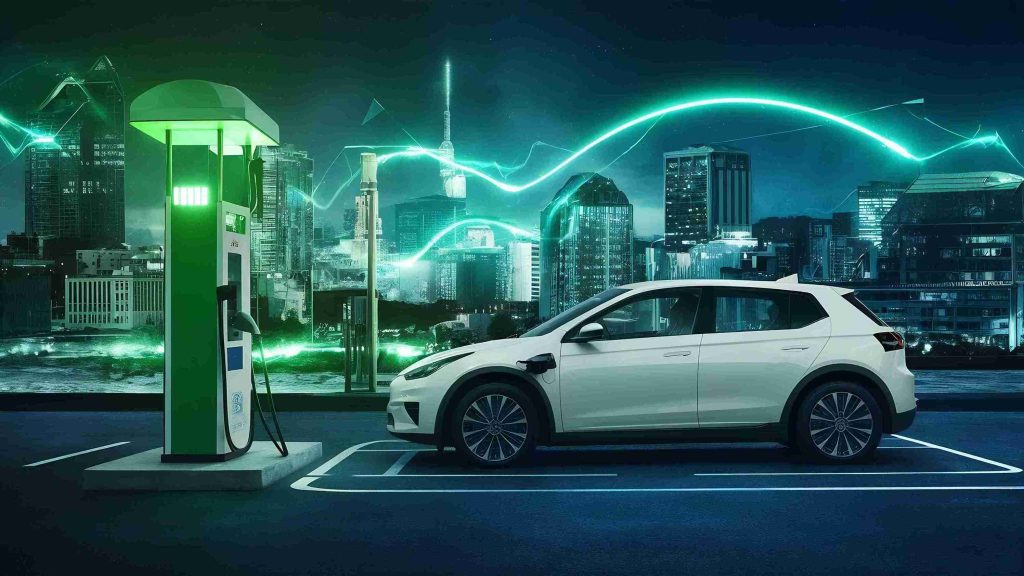
Electric vehicle buyers value design as much as functionality. Many consumers shift to EVs for sustainability, but they also expect a unique driving identity. The clean surface lines of electric models create a strong base for visual customization. Aesthetic upgrades help owners highlight individuality without affecting performance.
The metallic silver car wrap is a popular choice among both personal and commercial users. Its reflective finish gives EVs a futuristic look. The material also reinforces the modern identity associated with electric mobility. Buyers want vehicles that look innovative, not traditional. Custom wraps help bridge this expectation by offering refined colors, textures, and finishes.
The electric utility car sector experiences similar trends. Businesses that use electric carts for logistics or transportation also want modern branding. Custom wraps help companies express professionalism and environmental responsibility. Aesthetic choices strengthen brand presence and improve customer trust. This connection between identity and appearance shows how design influences purchasing decisions across the EV market.
Why Are Metallic Silver Car Wraps Popular Among EV Owners?
The metallic silver car wrap has become a standard in EV styling. Its reflective effect complements the sleek body lines common in electric vehicles. Many EVs emphasize minimal curves, clean edges, and smooth transitions. Silver finishes enhance these features and create a premium visual impact.
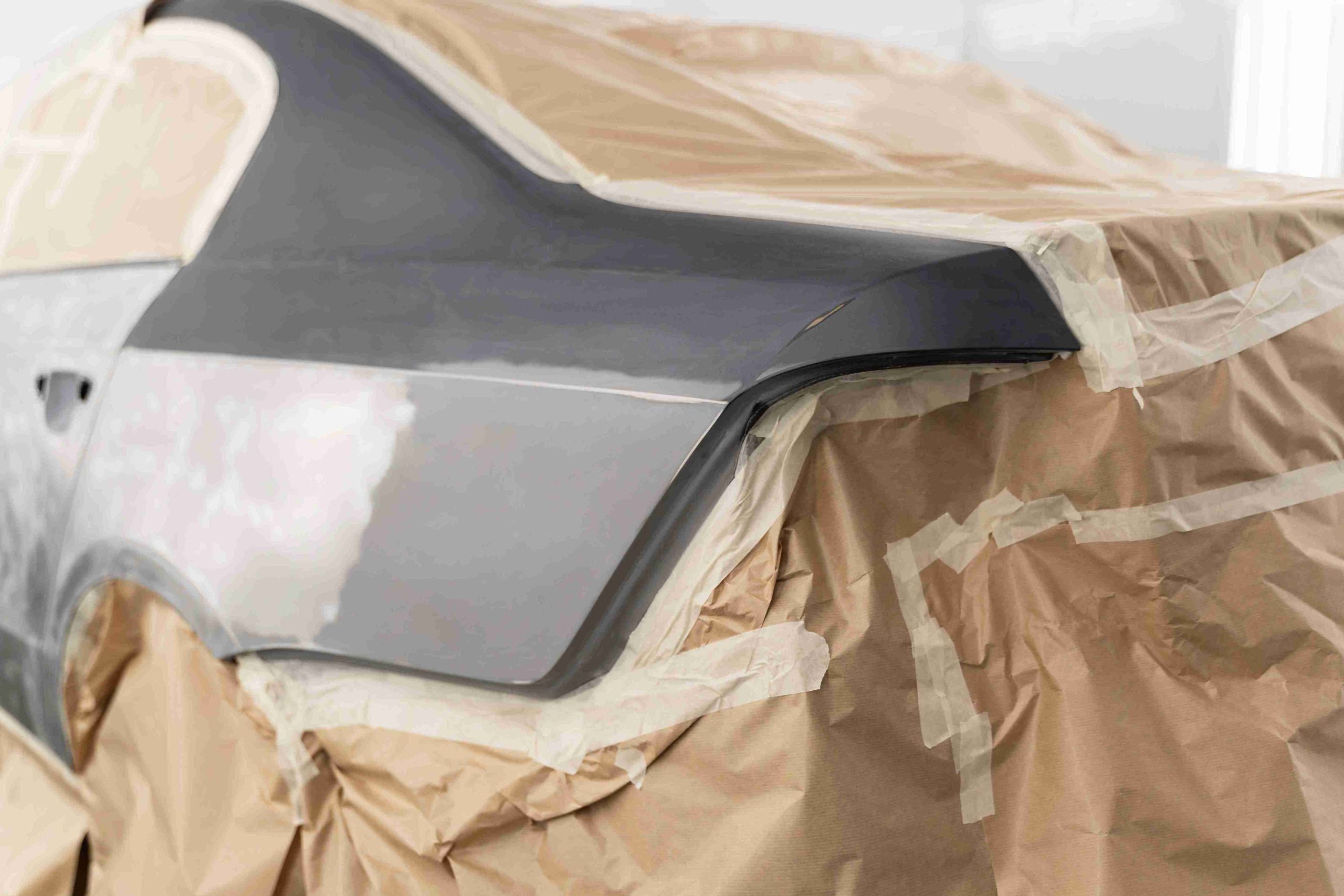
The wrap also offers strong functional benefits. It protects factory paint from scratches, UV exposure, and weather conditions. Electric vehicles maintain higher long-term value with preserved exterior finishes. Wraps also support easy replacement. Users can refresh surfaces without a full repaint. This makes customization simple, cost-effective, and reversible.
Metallic finishes also reflect heat better than darker colors. This reduces heat buildup inside the vehicle, improving cabin comfort. Lower interior temperatures reduce the workload on cooling systems, helping maintain battery range. These practical advantages reinforce why metallic wraps are preferred among EV users.
For businesses using electric utility cars, silver wraps give a professional and clean appearance. The surface stays presentable even after extended outdoor use. This helps companies maintain a polished brand image.
How Is Customization Influencing the Adoption of Electric Utility Cars?
The electric utility car category covers transport carts, campus shuttles, warehouse vehicles, and industrial mobility solutions. These vehicles focus on reliability, payload capacity, and energy efficiency. However, design and appearance now influence B2B purchasing decisions. Companies want their vehicles to look modern, safe, and aligned with brand identity.
Aesthetic customization helps these vehicles stand out in commercial environments. Metallic wraps can display logos, safety markings, and company colors. Electric utility cars often move through public areas, hotels, golf resorts, campuses, and industrial sites. Clean and attractive designs help organizations maintain a strong image.
Customization also improves internal morale. Staff feel more connected to vehicles that look well-maintained and visually consistent. Modern aesthetics communicate professionalism and care.
Many industries now prefer electric utility cars because they represent sustainability commitments. Aesthetic upgrades further reinforce these environmentally responsible messages. A branded vehicle with metallic accents visually distinguishes the company’s dedication to clean mobility.
What Role Does Material Innovation Play in Vehicle Customization?
Aesthetic customization depends on advanced materials. Modern wraps use flexible polymers that resist scratches, fading, and peeling. The metallic silver car wrap especially benefits from layered metallic flakes that reflect light uniformly. This creates depth and dimension not possible with simple paints.
Electric vehicles require materials that protect without adding excess weight. Wraps offer a lightweight solution that does not affect performance or efficiency. Their thin layers add protection without altering aerodynamics. This is essential for EVs that depend on optimized airflow.
The rise of textured wraps, gradient effects, and satin finishes expands design options. Owners can choose between brushed metal, chrome, gloss, or matte surfaces. Each finish enhances different aspects of vehicle design. The choice of texture allows users to express personality with precision.
Material innovations also support smart surface functions. Some wraps now include self-healing coatings that repair light scratches when heated. This keeps vehicles looking new even after long-term use. These advancements help EV customization become more durable and accessible.
How Does Customization Strengthen Brand and Consumer Engagement?
Aesthetic customization encourages emotional engagement with electric vehicles. When owners personalize their EVs, they feel more connected to the product. This increases satisfaction and strengthens long-term brand loyalty.
Manufacturers recognize this trend. Many now offer factory customization packages, allowing buyers to select colors, trim details, and surface textures. Consumers want vehicles that reflect personal style and environmental identity. Customized EVs express both individuality and responsibility.
Businesses using electric utility cars also benefit from personalization. Custom designs help brands create recognizable fleets. In resorts, airports, or event venues, neat and stylish utility carts improve visitor impressions. For logistics companies, branded utility vehicles communicate reliability and organization.
These aesthetic choices influence purchase decisions. Customers often select brands that give them more creative freedom. EV makers respond by offering extended customization catalogs, including wrap options and themed styling packages. Aesthetics thus become a competitive advantage in the EV market.
Why Does Aesthetic Customization Affect EV Market Growth?
Electric vehicles introduce new expectations in design and lifestyle. Buyers want stylish products that symbolize modernity. Aesthetic customization makes EVs more appealing to broader audiences. It also helps remove the perception that electric vehicles look plain or similar.
Custom wraps like the metallic silver finish deliver diversity. They encourage buyers who want bold and expressive designs. This expands the market beyond early adopters. Younger buyers, professionals, luxury users, and eco-conscious families all value personalization.
The electric utility car segment also grows faster when customization features are available. Hotels, warehouses, campuses, and corporate parks choose models that match their branding. Attractive vehicles create better environments and improve user experience.
Customization strengthens emotional connection, increases product value, and supports brand identity. These factors accelerate EV adoption across consumer and commercial markets.
Conclusion:
Aesthetic customization shapes modern expectations in the electric vehicle market. The metallic silver car wrap enhances style, protection, and efficiency. The electric utility car segment benefits from branding, durability, and modern visual identity. Personalization helps EV owners express individuality and supports brand differentiation. Durable materials increase sustainability by extending vehicle lifespans.
As EV adoption grows, aesthetic customization will continue to influence purchasing decisions and user satisfaction. Attractive, protective, and innovative designs give electric vehicles a stronger presence in both consumer and commercial markets.